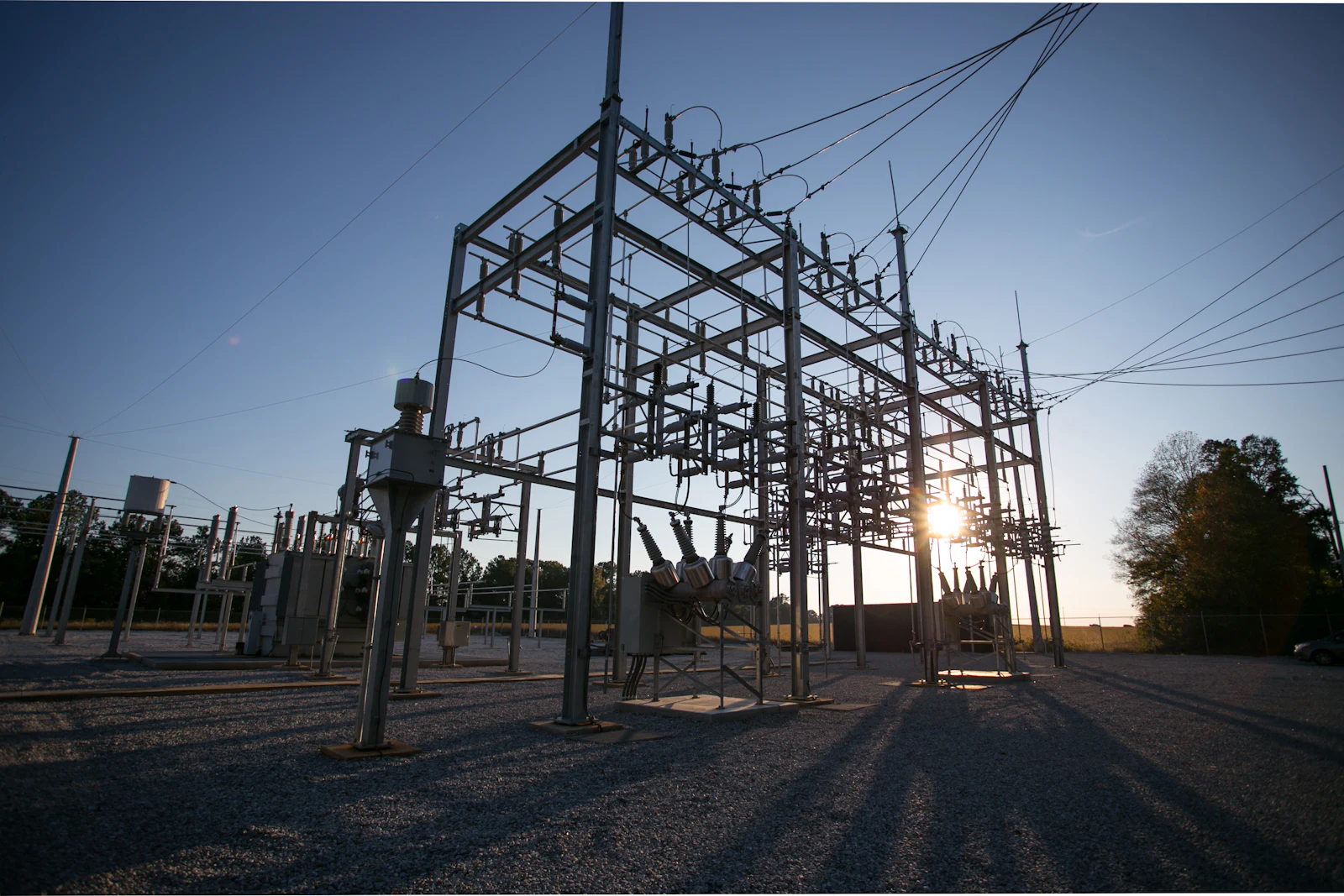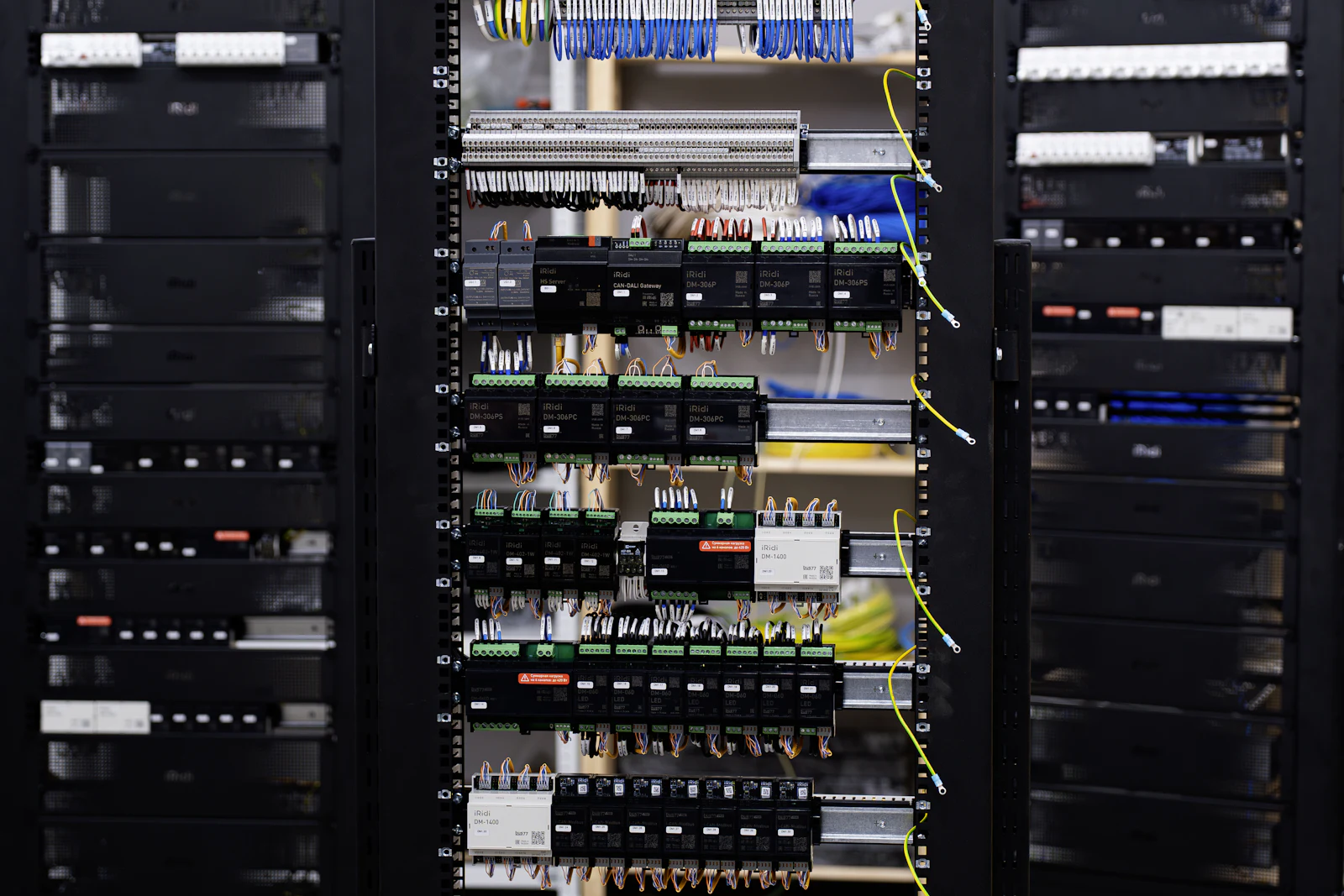
Every large load that connects at transmission voltage needs a dynamic model so planners can study how it will behave when the grid is disturbed. For data centers, most of those models start the same way: an engineer reads the UPS and power distribution datasheets, picks a standard load structure and fills in parameters.
It is a reasonable starting point. It is also where most of the risk sits.
Where spec sheet models go wrong
1. Thresholds are settings, not specs
Datasheets publish what a UPS can do. The installed behavior depends on the voltage and duration thresholds actually configured on site, which vary by operator, by vintage and sometimes by hall.
2. Counting and lockout logic is invisible
Many facilities count disturbances inside a time window and hold on backup power once a limit is reached. A model that only represents a single dip will ride through a reclose sequence that, in reality, sends the whole site to backup.
3. Recovery is not instant
How load returns after a transfer, in what blocks and after what delays, matters as much to the grid as how it leaves. Recovery is rarely in a datasheet.
4. Reactive power and fast dynamics
Power electronics, cooling systems and onsite equipment shape reactive power and oscillation behavior in ways generic parameters do not capture.
What measured data changes
A recorded disturbance shows the facility's actual response at the point of interconnection: how far load dropped, how quickly, whether it transferred and how it came back. Fitting a standard model structure, such as PERC1 or a composite load model, to that response gives parameters that reproduce real behavior, and a fidelity score that says how well.
The same record can then be replayed against the model on file whenever settings change, which is what model verification should mean.
Before energization, start from OEM data and questionnaires. After energization, replace assumptions with measured fits as soon as the first disturbances are recorded, and keep verifying as events accumulate.
Why independence matters
A model is only useful if the planner believes it. Evidence produced by an independent third party, from equipment of any manufacturer, carries more weight than a model produced by the party selling the equipment or controlling the load.
Nyquist measures how your facility responds to real disturbances and turns it into models and evidence planners accept. Request a demo